Melasma Treatment in Neenah, WI
Wisconsin winters hide it. Summer brings it back.
Melasma is managed, not cured. What changes is how much of it you see, and how long it stays away — and in this climate, when you start matters as much as what you use.
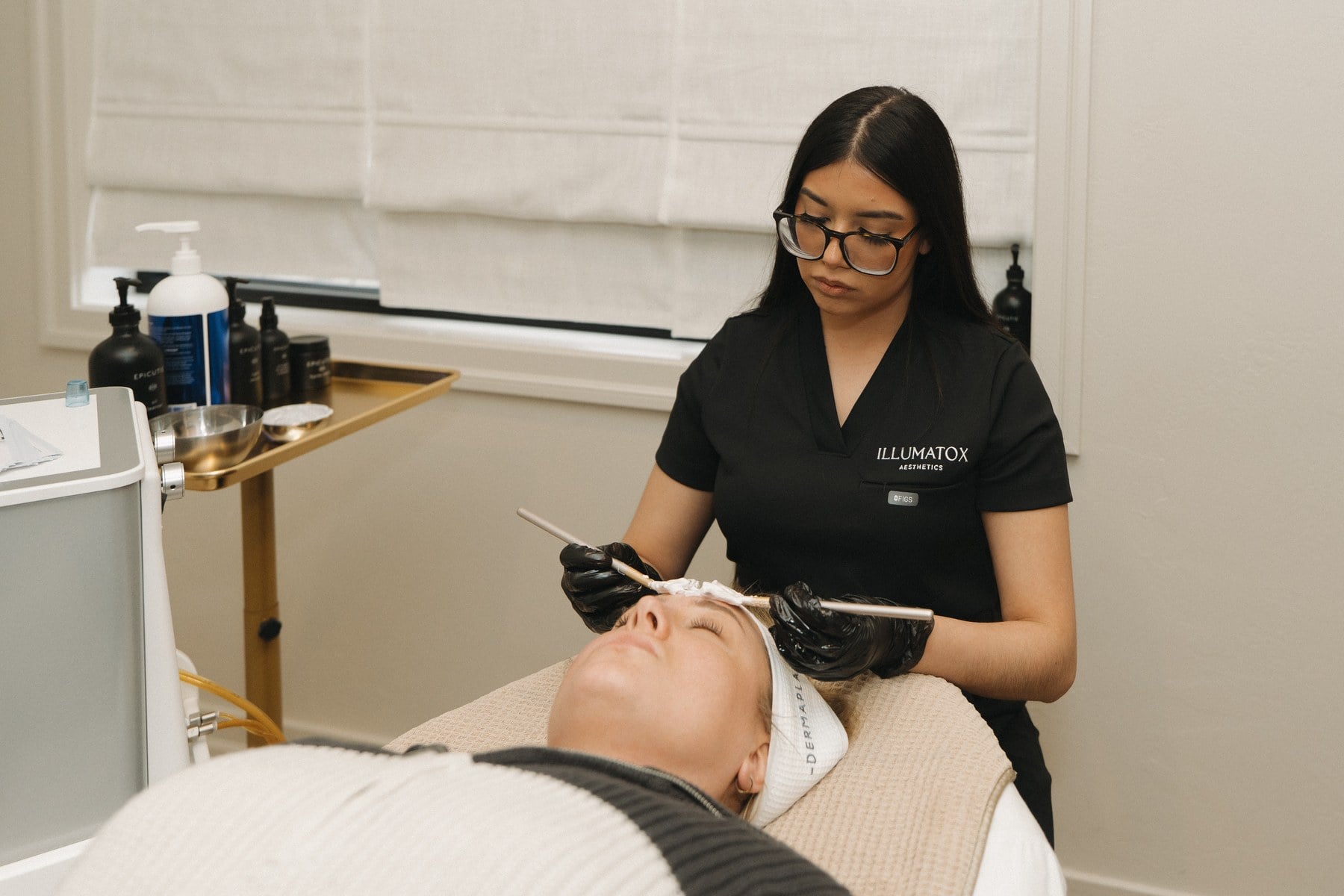
What is actually happening
Why it comes back every August.
Melasma sits deeper than a sun spot. It is driven by hormones and triggered by light, and pigment-producing cells that have been switched on stay sensitised — so the same patches return in the same places rather than appearing at random.
That is also why heat matters, not just UV. A treatment that warms the skin can provoke the pigment it was meant to clear, which is the trap most people fall into when they treat melasma as though it were sun damage.
The Fox Valley makes this seasonal in a way it is not everywhere. Four months of low winter UV genuinely quiet it down, which is why melasma often looks resolved in February and returns by August.
We plan around that. Resurfacing runs through autumn and winter while UV is low, and the summer months are for holding the result rather than chasing it.
What we can do about it
Four options, in the order we would reach for them.
Ranked deliberately. The first two do most of the work; the third is the one people ask for and often should not have.
- 01VI Medium Depth Peel
The strongest option we have for melasma
Expect visible peeling for about five days, then noticeably more even tone. Planned around your calendar, not booked on a whim.
- 02Medical-grade skincare
The part that actually holds the result
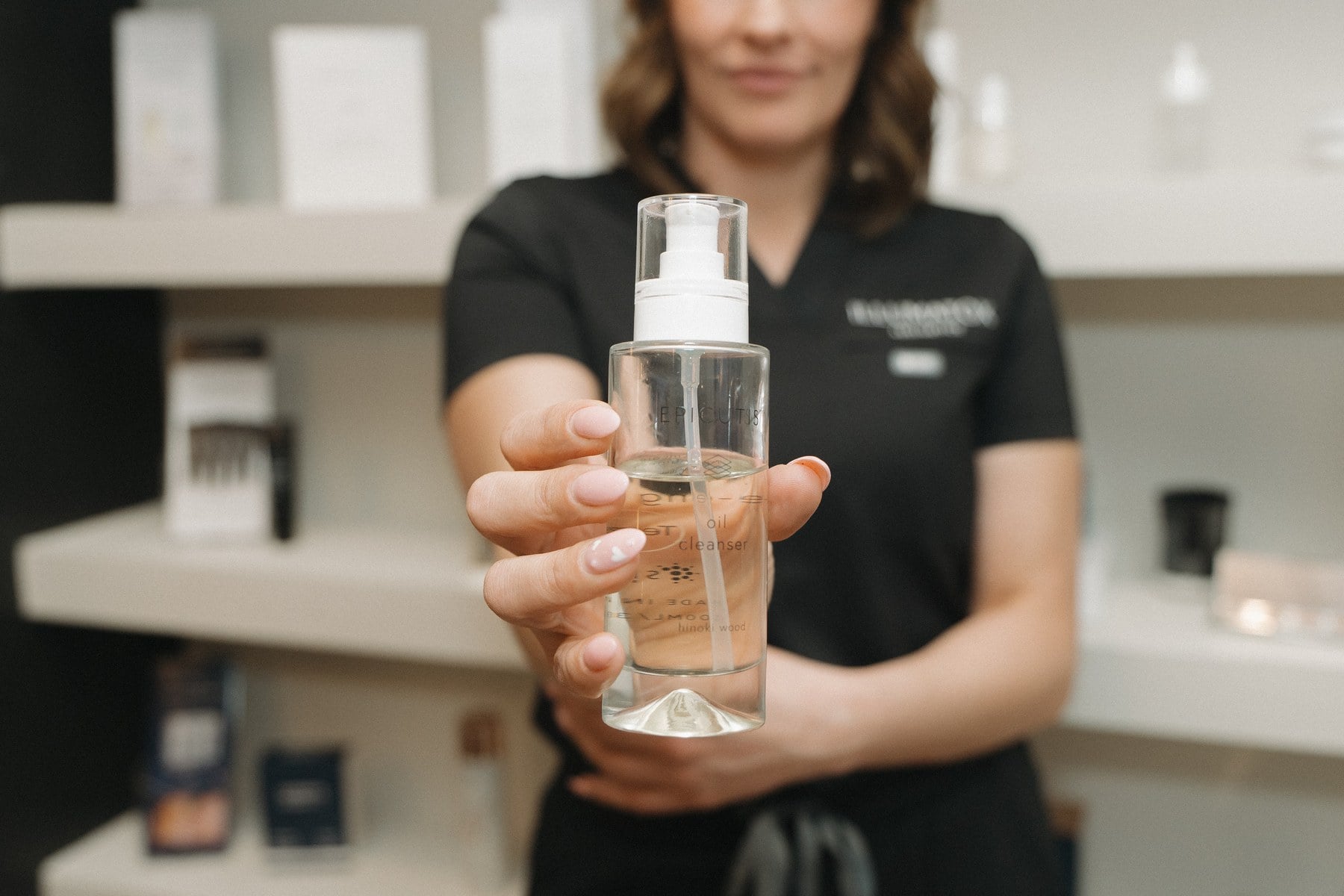
SkinBetter's Even Tone for pigment, GlyMed+ where the barrier needs rebuilding, and a sunscreen you will genuinely wear. Without this, everything above comes back.
- 03IPL Photofacial
For sun damage and brown spots
Excellent on freckling and sun spots. Less suitable for true melasma, where heat can make it worse — which is why we scan first rather than assume.
- 04Alma IQ Skin Analysis
Where it starts
Photographs what is happening below the surface, so we can tell pigment from melasma before choosing. Included with any skin consultation.
What we would recommend
For most people, this order.
Start with an Alma IQ scan so we know whether we are treating melasma or sun damage — they look similar on the surface and want opposite things.
If it is melasma, we begin home care first and give it six to eight weeks before adding anything resurfacing. Then a VI peel in autumn, once the skincare is doing its job and the UV has dropped.
If it is sun damage rather than melasma, IPL moves faster and we would start there instead.
What to expect
A melasma year, month by month.
This is the one concern where the calendar is part of the prescription. Starting a peel course in June works against you.
- Autumn
- Start home care and begin resurfacing. September through November is when UV drops far enough that a medium-depth peel is not immediately undone.
- Winter
- The working season. A course of two to three VI peels, six weeks apart, with the pigment-correcting routine running underneath it throughout.
- Spring and summer
- Hold, do not chase. Daily broad-spectrum SPF, a tinted mineral option for visible light, and no aggressive resurfacing while UV is at its peak.
- Cost
- Peels are priced per session with member pricing, and home care is a separate ongoing cost. The skincare is the half most people underestimate and the half that decides the outcome.
VI Medium Depth Peel is $350, or $325 for members at our Neenah studio. It is the treatment most plans for this concern are built around, and every other figure on this page’s options is published too.
Common questions
What people ask about melasma and pigmentation.
Is it worth treating if it will come back?
That depends on how you frame it. Melasma is managed rather than cured, so treatment is ongoing in the way that managing any recurring condition is — and if you are hoping for one course and done, you will be disappointed. What a good plan does is reduce it substantially and then hold it there with home care and sun protection. Plenty of people find that worth it; some decide it is not, and that is a reasonable conclusion.
What is the difference between melasma and sun spots?
Sun spots are discrete brown marks from UV exposure and they respond well to IPL. Melasma is a deeper, hormonally-driven patchiness that heat can aggravate — so the same treatment that clears sun spots can make melasma worse. That is the single most important distinction, and it is why we scan before we treat.
Can melasma be cured?
No, and anyone promising otherwise is selling something. Melasma is managed rather than cured — it is driven by hormones and light, and both keep happening. What a good plan does is reduce it substantially and then hold it there with home care and sun protection.
When should I start treatment in Wisconsin?
Autumn and winter. Resurfacing treatments leave skin more light-sensitive, and starting them in October gives you months of low UV before a Fox Valley summer arrives. Starting a peel course in June works against you.
How long before I see a difference?
A VI peel shows change within two weeks of the peeling finishing. Pigment correction through skincare is slower — eight to twelve weeks before it is obvious, which is why we photograph at the start rather than relying on memory.
Does pregnancy or the pill cause melasma?
Both can trigger it, which is why it is sometimes called the mask of pregnancy. Oestrogen and progesterone raise pigment-cell sensitivity, so melasma commonly appears during pregnancy or after starting hormonal contraception. It may fade afterwards, but once those cells are sensitised they respond more readily to sunlight for years.
Find out which one it is.
An Alma IQ scan tells melasma from sun damage before anything is treated. It is included with a skin consultation.