Rosacea Treatment in Neenah, WI
It is not sensitivity. It is a blood vessel problem.
Persistent facial redness is vascular before it is anything else, which is why it does not respond to the calming products people spend years buying. What it does respond to is treatment aimed at the vessels themselves.
What is actually happening
Vessels that dilated and never went back.
Flushing is normal — vessels widen, blood arrives, the face reddens, and then it settles. In rosacea that final step gradually stops happening. Repeated dilation leaves vessels permanently widened, and eventually new ones are formed. What was an episode becomes a baseline.
Alongside that, the skin barrier is usually compromised and the inflammatory response is running hotter than it should. This is why rosacea skin stings from products that other people find unremarkable.
There are different presentations. Some people are mostly flushed and visibly veined; others have persistent papules and pustules that look like acne but are not, and are made worse by acne treatment. Getting that wrong is one of the most common mistakes in this category.
Wisconsin winters deserve a mention. Moving between hard cold and dry indoor heat is a strong flushing trigger, and it is why so many people notice their rosacea most between December and March.
What we can do about it
Three options, and the first one does most of the work.
Nothing here cures rosacea — it is a chronic condition. What treatment does is reduce the visible vessels and the background inflammation, then keep them reduced.
- 01Aerolase Skin Rejuvenation
Our first choice for rosacea specifically
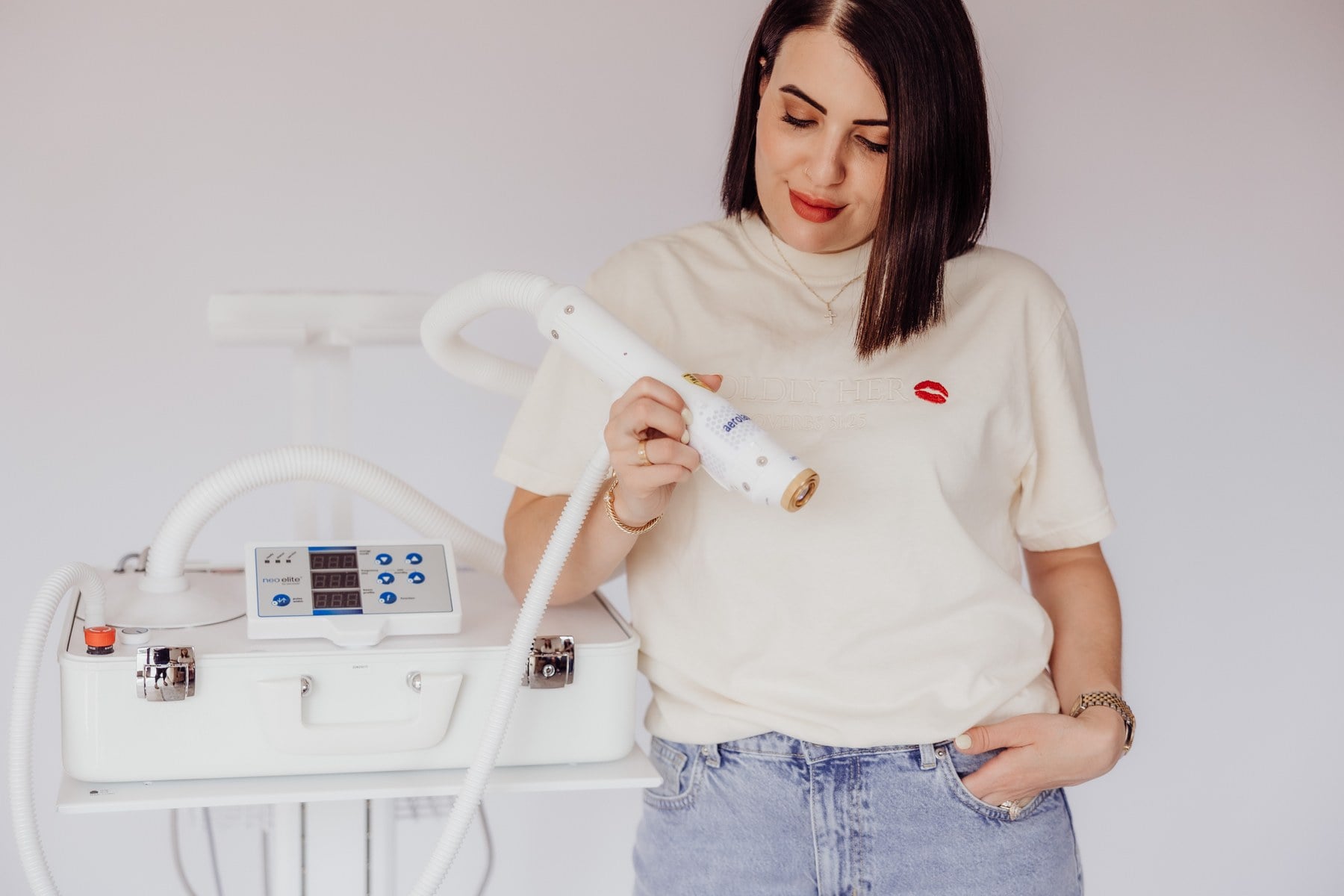
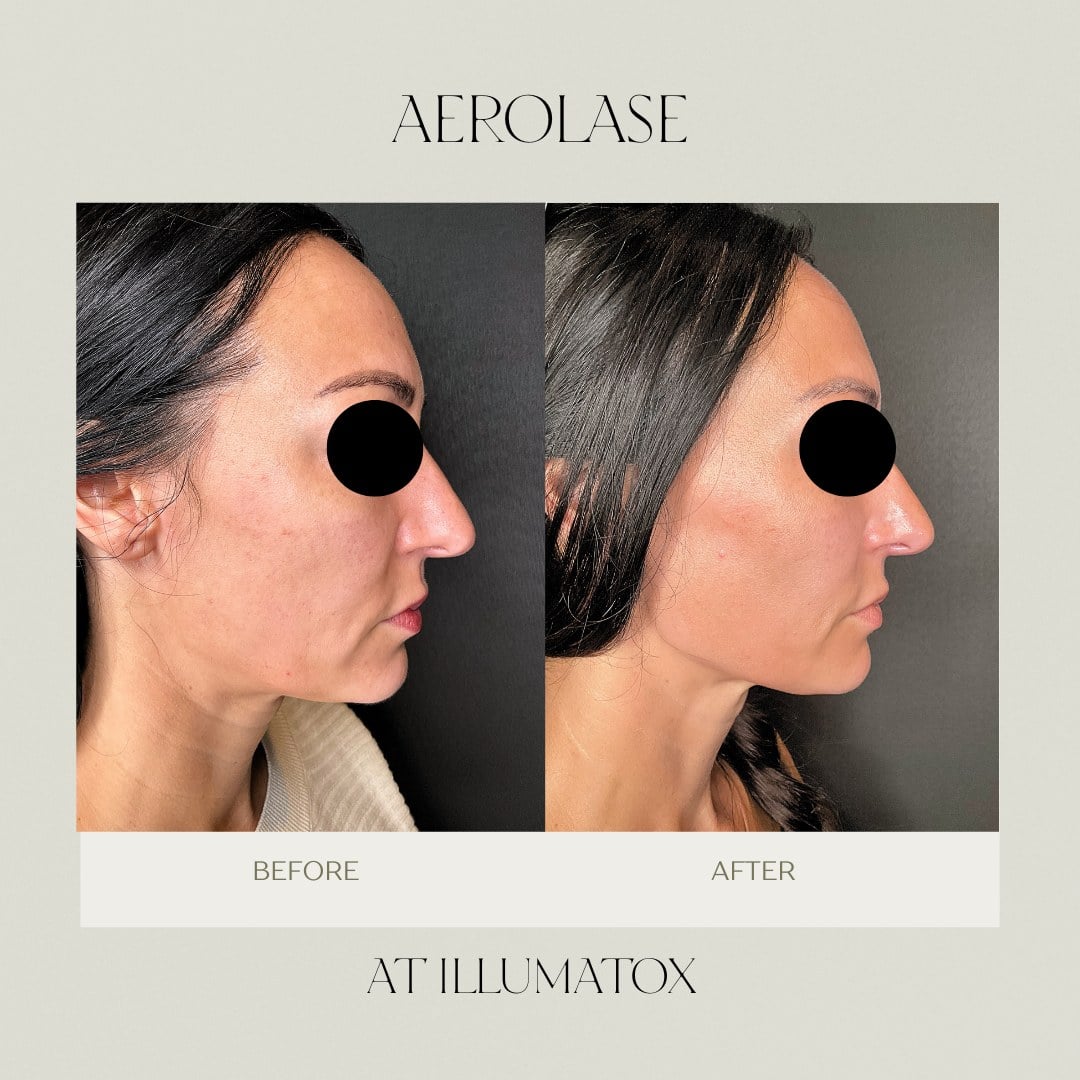
A 1064nm wavelength that targets haemoglobin in the dilated vessels while being gentle enough for reactive skin, and safe on all skin tones. Three to four sessions, two to four weeks apart. It does not stop you flushing — it reduces what is permanently visible.
- 02IPL Photofacial
Strong on diffuse redness and broken capillaries
Broad-spectrum light that clears redness and brown pigment in the same session, which is efficient when both are present. Less suitable for very reactive skin or darker skin tones, where Aerolase is the safer instrument.
- 03Barrier-repairing skincare
The part that stops it getting worse
GlyMed+ for barrier repair, mineral sunscreen daily, and the removal of whatever is currently stinging. Unexciting, and the reason results hold between sessions.
What we would recommend
What we would do first.
Simplify the routine before adding any treatment. Rosacea skin is frequently being irritated daily by products bought specifically to help it, and removing three of them often produces visible improvement before a single session.
Then a course of Aerolase — three to four sessions — aimed at the vessels. It is the treatment we reach for over IPL for true rosacea, because it is gentler on reactive skin and safe across every skin tone.
If there are persistent bumps and pustules rather than only redness, that is a papulopustular presentation and may need a prescription we cannot write. We will say so and point you to a dermatologist rather than run a course that treats half the problem.
What to expect
Sessions, triggers and maintenance.
- Course length
- Three to four sessions, two to four weeks apart, then maintenance every six to twelve months. Rosacea is chronic, so treatment is a rhythm rather than a course you finish.
- Downtime
- Aerolase leaves the face flushed for an hour or two and nothing more. IPL can leave brown spots darker for five to seven days before they flake away, which is worth planning around.
- Triggers
- Alcohol, spice, heat, extreme cold, stress and some skincare actives. Identifying yours does more for daily appearance than any single session, and a two-week diary is usually enough to find them.
- Cost
- Priced per session by area, with member pricing available. Because maintenance is ongoing, the membership works out well for people treating rosacea long-term.
Aerolase Skin Rejuvenation is $450, or $400 for members at our Neenah studio. It is the treatment most plans for this concern are built around, and every other figure on this page’s options is published too.
Common questions
What people ask about rosacea and facial redness.
Is this something skincare alone can fix?
It can manage it and it will not clear visible vessels. Once a capillary is permanently dilated, no cream closes it — that needs light or laser. Where skincare earns its place is in reducing the flushing that creates new ones, which is why we usually do both rather than choosing. Anyone selling you a cream that eliminates redness is selling you a temporary colour correction.
Can rosacea be cured?
No. Rosacea is a chronic condition and treatment manages it rather than ending it. What is achievable is a substantial and lasting reduction in visible redness and broken vessels, plus fewer and milder flares — which for most people is the difference between wearing colour-correcting makeup daily and not thinking about it.
Is IPL or Aerolase better for rosacea?
For true rosacea we generally prefer Aerolase. Its 1064nm wavelength reaches the vessels while being gentle on reactive skin, and it is safe on every skin tone. IPL is excellent when redness and brown pigment appear together, but it is a stronger stimulus and less suited to very sensitive skin.
Why does my face sting when I use skincare?
Because the barrier is compromised. Rosacea skin has a weakened protective layer, so actives and even preservatives penetrate faster and irritate more. Stinging is a signal to stop, not to push through. The first step in most rosacea plans is a simpler routine focused on barrier repair rather than more active ingredients.
Will laser stop me from flushing?
No, and it is important to be clear about it. Laser treats the vessels that are permanently visible; it does not change the underlying tendency to flush when you drink wine or walk into a warm room. Your baseline redness improves noticeably. Your reaction to triggers stays yours to manage.
How long do the results last?
Typically nine to eighteen months before a maintenance session is worth booking, though this varies a great deal with trigger exposure and sun protection. People who wear daily SPF and know their triggers go considerably longer between sessions than people who do not.
Redness has a cause worth identifying.
Rosacea, sun damage and barrier irritation all present as a red face and want different treatment. A scan separates them in ten minutes.