Say Goodbye to Acne Scars
Say goodbye to acne scars
Acne scars are one of the most commonly discussed skin concerns, and they affect people emotionally as much as physically. Seven things that actually move them.
The post
Do you suffer from post-acne scarring? Acne scars are one of the most commonly discussed skin concerns and have been shown to affect people not only physically, but also emotionally. Here are some tips and tricks to combat acne scarring.
Microneedling
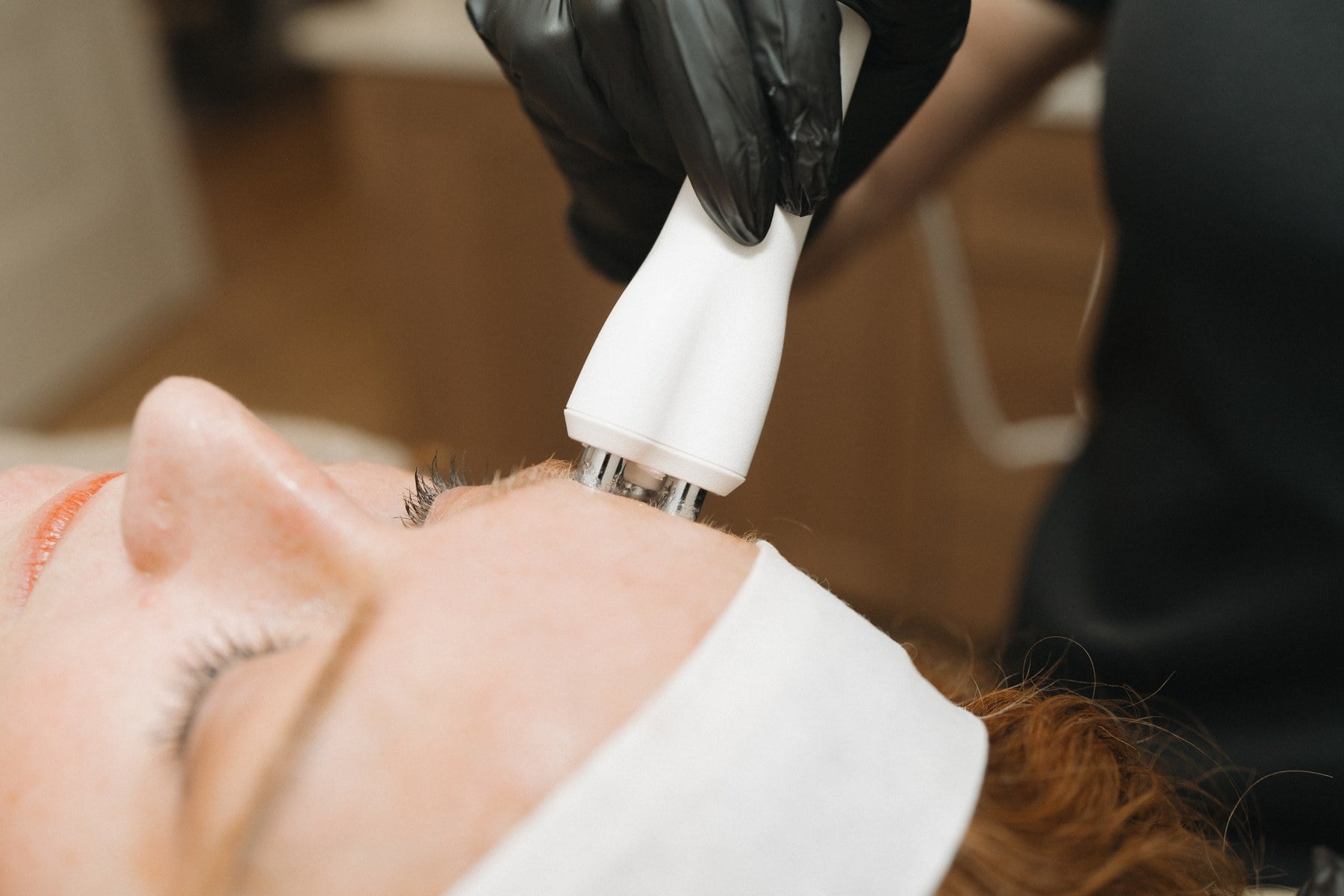
Microneedling is a form of collagen induction therapy, essentially telling your skin to heal itself from the inside out. Our personal favorite treatment is with the SkinPen. This treatment is great for not only acne scarring, but also post-inflammatory erythema, hyperpigmentation, fine lines and wrinkles, and overall skin texture. A series of 4–6 treatments, 4–6 weeks apart is ideal for maximum results. Platelet rich plasma (PRP) can be used during this treatment to supercharge results.
Chemical peels
Chemical peels use varying ingredients to work under the surface of the skin to promote cell turnover and new skin cell growth. Peels can vary in strength and depth, some causing a full peel and others that offer results without the snake skin shedding. This cell turnover and new skin growth helps to diminish the appearance of acne scars over time.
Daily SPF
We can't preach this one enough. Everyone should be wearing a daily SPF. Yes, even in the Wisconsin winters and even when indoors. Did you know computers and phones emit light that can age your skin? The rays from both the sun and technology not only cause premature skin aging, but also cause hyperpigmentation and collagen breakdown. Wearing your daily SPF allows skin protection and fading of acne scars.
Vitamin C serum
Vitamin C serums help increase collagen production in the skin, which improves overall skin texture and tone, thus improving acne scarring. It is very important to make sure you are using a stable form of vitamin C. Look for the ingredient Tetrahexyldecyl Ascorbate (stable vitamin C) versus L-Ascorbic Acid (unstable vitamin C). Our personal favorite vitamin C serum is Alto Advanced from SkinBetter Science.
Tyrosinase inhibitors
Tyrosinase is an enzyme in the skin that increases pigmentation. Using a tyrosinase inhibitor does exactly what it sounds like, inhibits the enzyme, thus improving hyperpigmentation and post-inflammatory erythema, such as acne scarring. Our favorite tyrosinase inhibitor is Even Tone Correcting Serum from SkinBetter Science.
Topical retinoids
Retinoid, retinol, and retinoic acid all help promote cell turnover, thus fading acne scars more quickly. They also help with fine lines and wrinkles, as well as hyperpigmentation. Our favorite serums are AlphaRet Clearing Serum and AlphaRet Overnight Cream from SkinBetter Science.
Time and consistency
This is so important. We all want change overnight, but it just isn't reality. Without treatments, acne scarring and post-inflammatory erythema and pigmentation can last years or longer. Consistent treatments and patience are key components in the skincare process.
Editor's note, September 2026
Two corrections, and one distinction the original skipped
Everything above is the post as it was published. This section was added when it was brought onto the new site, so what changed is visible rather than quietly rewritten.
The SPF section recommended Revision Skincare and Supergoop. Neither is stocked here any more, Colorescience now carries the sunscreen role, including a brush-on mineral powder that can be reapplied over makeup, which is the practical answer to the two o'clock problem the original raised and did not solve. The advice itself has not changed: wear it daily, in February as much as in July.
Everything recommended from SkinBetter Science still stands. Alto Advanced, Even Tone Correcting Serum and the AlphaRet products are all still dispensed, and Even Tone is still what we reach for first on post-acne marks.
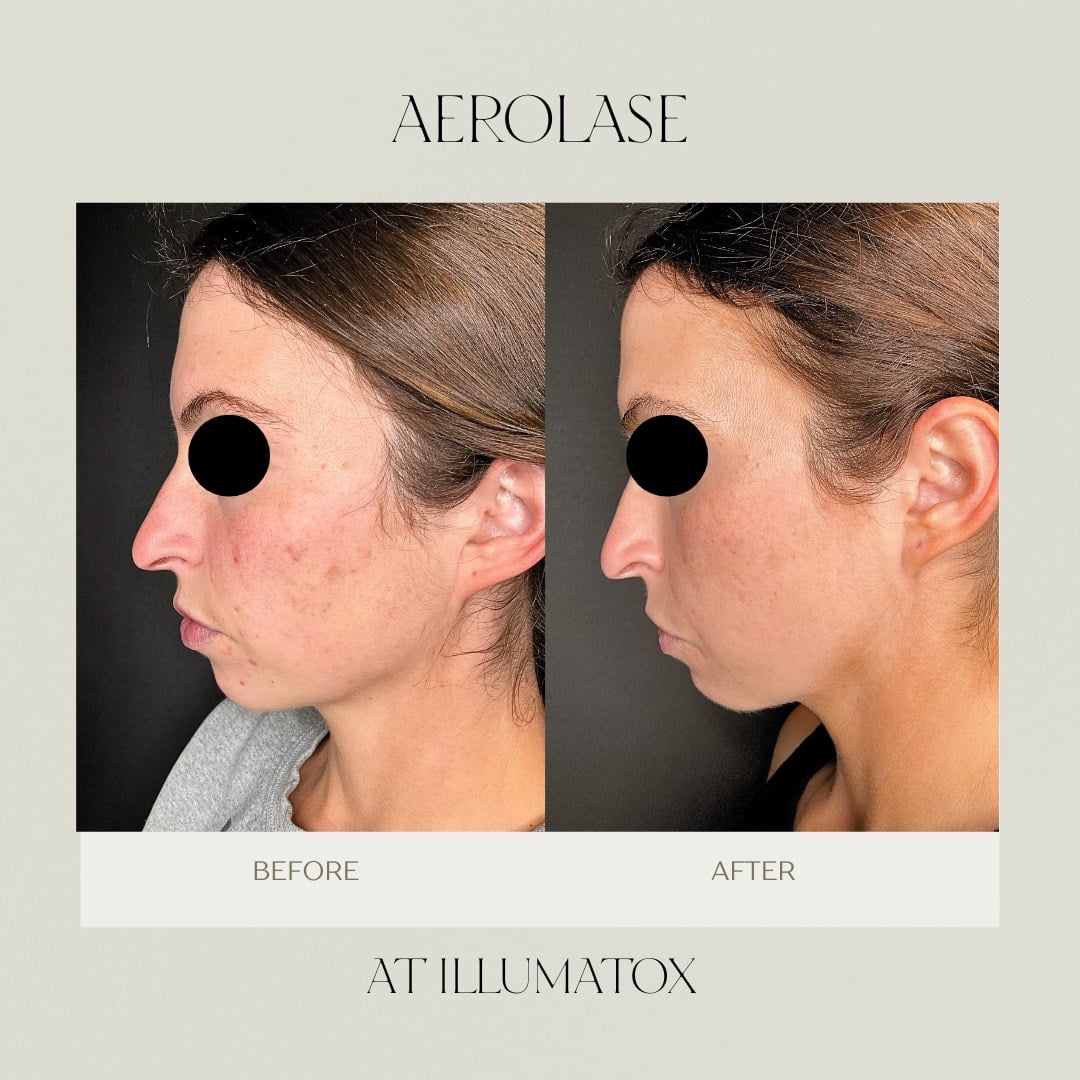
The distinction the original never drew, and the one that decides your plan: most of what people call acne scarring is not scarring. Flat brown or red marks with no change in texture are post-inflammatory pigmentation and erythema. They fade on their own over three to twelve months and respond well to the topicals above. A true scar has texture, means collagen healed wrong, and needs microneedling or RF to remodel it. Treating one as though it were the other means paying for the wrong thing.
Common questions
What people ask about this.
Are my marks actually scars?
Usually not. If the mark is flat and the skin is smooth to the touch, it is post-inflammatory pigmentation or erythema, pigment and dilated vessels rather than damaged collagen, and it fades over three to twelve months on its own. A true scar has texture: a depression, a crater, or a raised patch. That distinction decides the whole treatment plan.
How many microneedling sessions do I need for acne scars?
Four to six treatments, four to six weeks apart, and then judge it six months after the last one rather than six weeks. Collagen remodelling continues long after the course ends, which is why photographs at the start matter more than memory.
Can I treat scarring while I still have active acne?
No, and this is the ordering mistake that costs people most. Needling across inflamed skin spreads bacteria and provokes new lesions, so the acne gets cleared first however impatient that feels. The upside is that post-inflammatory marks often fade substantially during that period anyway.
Does SPF really matter for acne scars?
More than almost anything else on this list. UV drives pigment production, so unprotected sun exposure actively darkens the marks you are trying to fade, and it undoes resurfacing work at the same time. Daily, year round, Wisconsin winters included.
Is microneedling or a peel better for scarring?
They do different jobs. Microneedling remodels collagen, so it is the one that changes texture. Peels resurface and even tone, so they are stronger on the pigment left behind. A lot of plans use both, in sequence rather than together, and the scan at consultation decides the order.
How long before I see a difference?
Pigment starts shifting in eight to twelve weeks with consistent topicals. Texture takes longer, six months after a microneedling course is when the full result is visible. The single most useful thing you can do at the start is have the skin photographed, because gradual change is invisible to daily observation.
Start with a conversation.
The consultation is $50 and comes straight back to you as credit toward treatment. Bring the thing you have been thinking about.