Botox vs Dysport: What's the Difference?
Botox vs Dysport: what's the difference?
It's the million dollar question. Same active ingredient, different onset, different spread, and a preference that is genuinely personal rather than clinical.
Published 2022
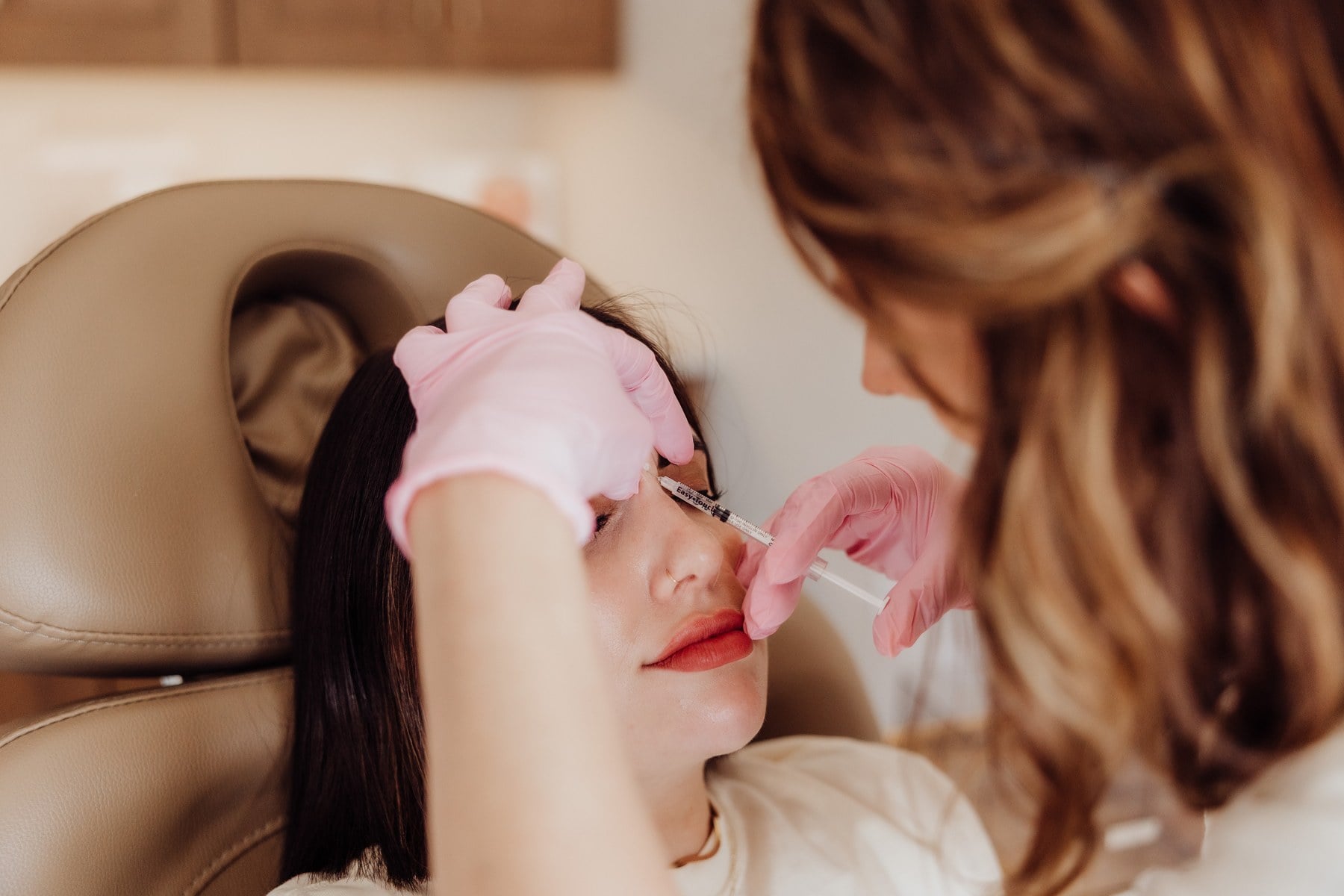
It's the million dollar question: what's the difference between Botox and Dysport? Is there a difference? Is one better than the other? Elizabeth likes to use the analogy of Coke versus Pepsi to compare the two. Essentially, yes, they are the same. They both have the same active ingredient, Botulinum Toxin Type A. Some people just prefer one versus the other. Dysport tends to kick in a little quicker, within 3–5 days, whereas Botox can take 5–7 days. Full results for both products are 14 days. Some people also feel that Dysport has a little wider spread or disbursement, just covering a little more surface area with the same amount of toxin. On the other hand, some people feel Botox works better for those deep lines and wrinkles. Ultimately, they are both fantastic products that yield similar results. On average, results for both last approximately 3 months.
It's your choice
However, this does vary person to person as both Botox and Dysport are metabolized, and as this occurs, the results fade. Someone with a fast metabolism or who exercises often may find their results last 2 months versus someone who has a slower metabolism may find their results last 3–4 months. Elizabeth recommends coming in for a repeat treatment when you notice some movement return, but before the gas tank is completely empty, to allow for buildable and continued results. One person's preference between Botox and Dysport may not be the same as another's, and that is ok.
Editor's note, September 2026
What has changed since 2022
Everything above is the post as it was published. This section was added when it was brought onto the new site, so what changed is visible rather than quietly rewritten.
This post closed by saying the studio offered Dysport. The menu now carries all three: Dysport at $13 a unit, Jeuveau at $12, and Botox, added in September 2026, at $14. So the question the post poses is one you can actually act on here, which was not true when it was written.
Jeuveau was formulated purely for aesthetic use rather than adapted from a medical product, which is the main thing that separates it from the other two. In practice the choice between it and Dysport is made per area: Dysport's slightly wider spread suits a broad forehead, and Jeuveau is what we reach for most often elsewhere.
One thing the original did not say, and should have: units do not convert between these products. A Dysport unit and a Jeuveau unit are not the same measurement, so a per-unit price is only comparable within one brand. Both are published on the pricing page.
Common questions
What people ask about this.
Is Botox or Dysport better?
Neither, and anyone claiming otherwise is expressing a preference rather than a finding. They share an active ingredient, botulinum toxin type A, and produce comparable results. Dysport tends to start working in 3 to 5 days against 5 to 7 for Botox, and spreads slightly further from the injection point, which some injectors prefer across a broad forehead.
Which one does Illumatox use?
All three, and the choice is made per area rather than per appointment. Jeuveau is $12 a unit, Dysport $13 and Botox $14, with member pricing on each. Botox is the dearest because it costs more to buy, not because it works better, if you have been happy on a particular one, staying with it is a perfectly good reason to choose it.
How long do the results last?
Around three months on average, and genuinely variable. Both products are metabolised, so a fast metabolism or frequent exercise can shorten it to two months while a slower one can stretch it to three or four. The honest answer is that your second treatment tells you more about your own timeline than any average does.
When should I book my next treatment?
When you notice some movement returning, but before it has worn off completely. Treating from a partial baseline rather than from zero is what produces the buildable, continued result, and over time most people need fewer units than they started with.
Do the units convert between brands?
No, and this is the most common pricing confusion in the category. A unit of Dysport is not equivalent to a unit of Jeuveau, so comparing per-unit prices across brands tells you nothing useful. Compare the total for the area being treated instead.
How much does tox cost in Neenah?
Jeuveau is priced per unit and Dysport slightly higher per unit, with member pricing on both. Because the dose depends on muscle strength rather than on age or area, we assess before quoting a total rather than selling a fixed package. Every figure is published on the pricing page.
Start with a conversation.
The consultation is $50 and comes straight back to you as credit toward treatment. Bring the thing you have been thinking about.